
IN-DEPTH | Biddeford’s unhoused funding challenges

We’re using a butter knife, when we should be using a chainsaw,’ says Biddeford City Councilor Marc Lessard

By RANDY SEAVER | Editor

As the Biddeford City Council continues slogging through its review and recommendations for next year’s municipal budget, one particular issue has clearly become a contentious hot-button topic.

Councilors seem extremely split on how to best fund programs and services related to the city’s unhoused population.

On both Tuesday and Thursday evenings this week, councilors carefully reviewed information presented by Jake Hammer, the city’s unhoused service coordinator and director of the city’s General Assistance Department.

Opinions split sharply among councilors on whether to allocate $480,000 to the Seeds of Hope, a Biddeford-based non-profit organization that provides resources to the community’s “unhoused neighbors.”

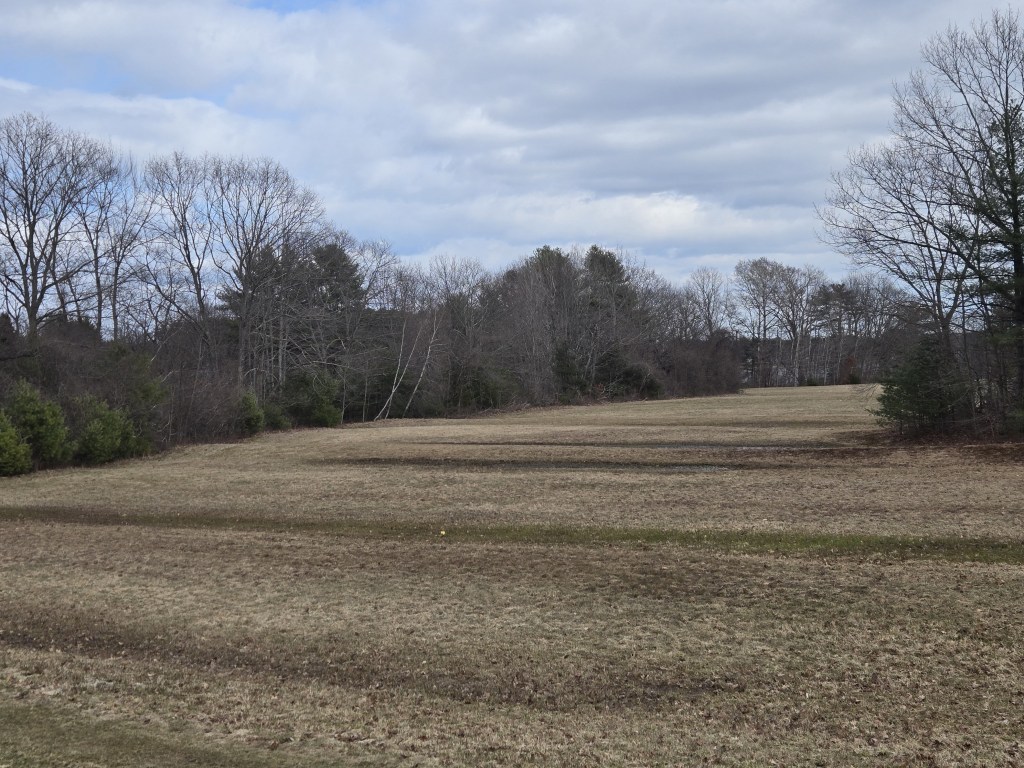
A COMPLEX PROBLEM | Biddeford is York County’s largest and principal community, a position that is causing tension in how to address growing and complex issues related to homelessness. | Seaver, File Photo

_________

The challenges and complexities surrounding unhoused populations is not limited to Biddeford. Many other communities in Maine and across the nation are grappling with how best to address a complex issue that seems to be growing.

While some members of the council say they are comfortable with the Seeds of Hope’s $480,000 annual price tag, other councilors — including at-large representatives Marc Lessard and Lisa Vadnais — challenged the effectiveness of the organization and raised concerns about the neighborhood center’s downtown location and its impact on nearby businesses and residents.

On Thursday, Councilor Jake Pierson suggested cutting $100,000 from the Seeds of Hope budget allocation. Councilor Dylan Doughty seconded the motion, but the proposal failed to gain traction, ending with a 5-4 vote against (Pierson, Lessard, Doughty and Councilor Roger Beaupre, in favor)

Lessard — clearly frustrated during Thursday’s marathon discussion on the unhoused subject – rejected other councilors’ suggestions of incremental cuts to funding of unhoused services and the need for further discussion.

“We’re using a butter knife when we should be using a chainsaw,” Lessard quipped during Thursday’s budget workshop meeting.

Lessard then offered a motion to completely eliminate any funding for the Seeds of Hope Neighborhood Center.

Other councilors soundly rejected Lessard’s plan, 8-1.

Although Vadnais offered some of the most biting and skeptical questions about the Seeds of Hope and its existing programs, she did not support Pierson’s proposal to cut $100,000 nor Lessard’s proposal to completely eliminate funding.

When asked after the meeting why she rejected both funding reductions, Vadnais said she missed the opportunity to offer her own proposal about the budget allocation. “Obviously, I didn’t play my cards right,” she said.

COUNCILOR LISA VADNAIS | “What are all other costs? We have to look at the larger picture, right?”

Both Lessard and Vadnais repeatedly said the issue of unhoused residents and the Seeds of Hope operations are a dominant concern of their constituents, both pointing out that nearly every call and email they have received reflected declining public support for Seeds of Hope.

In fact, Lessard said the city’s downtown area has been significantly and adversely impacted ever since the Seeds of Hope Center on lower South Street began offering services.”

“People no longer feel safe going downtown,” Lessard said. “Downtown’s business climate has declined, probably because of this issue.”

Vadnais said a large portion of the community is opposed to any further funding of the city’s only unhoused services program.

“People no longer feel safe
going downtown. The business
climate has declined,
probably because of this issue.”

— Councilor Marc Lessard

Other councilors pointed out that York County’s only unhoused shelter program – located in Alfred – closed last year and said they support more of a “regional approach” to addressing the needs of Biddeford’s unhoused residents.

In fact, Doughty sought support from his fellow councilors for establishing a “blue ribbon” commission to review alternative options, including state and federal sources and the feasibility for creating a regional shelter program that would also be supported by neighboring communities.

“We don’t have a definitive next step in front of us,” Doughty said, pointing to the current lack of available programs. “We have already dedicated millions of dollars to this. If we just stop now, we will be facing reimbursements from emergency hotel vouchers.”

Doughty proposed setting aside $25,000 to create such a study group, an idea that was narrowly passed 5-4 with Councilors Lessard, Pierson, Kurtz, Doughty, and Woods voting in favor.

Councilor Brad Cote said he liked Doughty’s concept but could not support any additional expenditures during an already lean budget process.

“This is a really tough budget year, and it just doesn’t make sense to spend any additional money,” Cote said.

Pierson said the city needs to find an alternative, long-term solution.

“We really need a Plan B because what we have in front of us is just a temporary fix to a larger issue,” Pierson said.

Councilor Pat Boston said she was surprised Thursday to hear such dramatic calls for reductions of funding for unhoused services.

“We had a really robust conversation about this on Tuesday, and now we’re talking about pulling the plug with no back-up plan,” Boston said. “Are we supposed to go back to chasing down and closing [homeless] encampments?”

But Lessard said the public is demanding a dramatically different approach to tackling unhoused issues.

“Times like these require substantial move and efforts,” Lessard said. “We have been carrying the water for so many other communities on this issue. I am being told we can’t afford upgraded breathing apparatus equipment for our firefighters. I’m having a hard time squaring this budget line [general assistance/unhoused] with so many of our city’s pressing needs.”

_________

COMMUNITY COMMENTS

Resident Melissa Caminiti appeared before the city council on Tuesday and urged them to address some very “concerning issues” that she has encountered in her own neighborhood and while visiting some of the city’s downtown park areas.

“It is becoming an issue that deserves our attention,” she said.
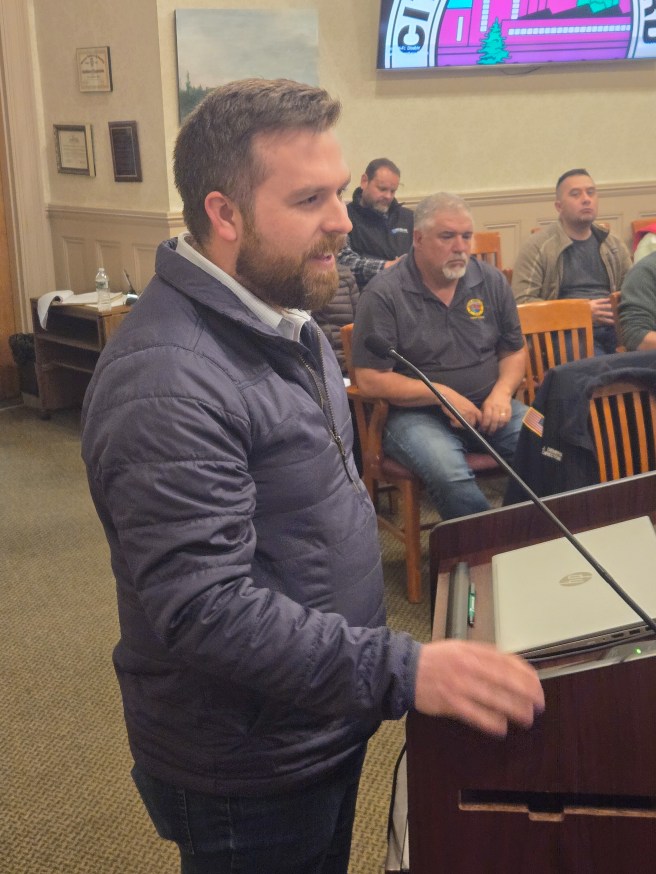
SPEAKER RYAN FECTEAU of Biddeford offered the council his full support in developing a long-term solution to address the city’s unhoused population and its challenges. | Seaver photo

___________

State Rep. Ryan Fecteau — Speaker of the Maine House of Representatives – appeared before the council and said he ‘is fully committed to helping find state resources to help develop a regional center that could provide more robust services for the area’s unhoused residents while also seeking financial support from other communities.

Tom McPheeters of Biddeford has been a volunteer at Seeds of Hope for nearly three years.

When asked his thoughts about the council’s discussion, McPheeters said he is trying to keep an open mind.

“The [Seeds of Hope] staff is doing the best they can, considering the current circumstances,” McPheeters said. “No matter what, there is never going to be enough services. Seeds is evolving but the reality can be overwhelming. It is what is what it is, but we are talking about our fellow humans. And we should all remember that.”

“We are talking about
our fellow humans.
We should all remember that.”

— Tom McPheeters, Biddeford

Real time issue | Long term solutions?

Hammer – who spent considerable time before the council on both Tuesday and Thursday – said without any viable options, the Seeds of Hope program remains as “the most effective and humane way” to address the needs of Biddeford’s unhoused residents.
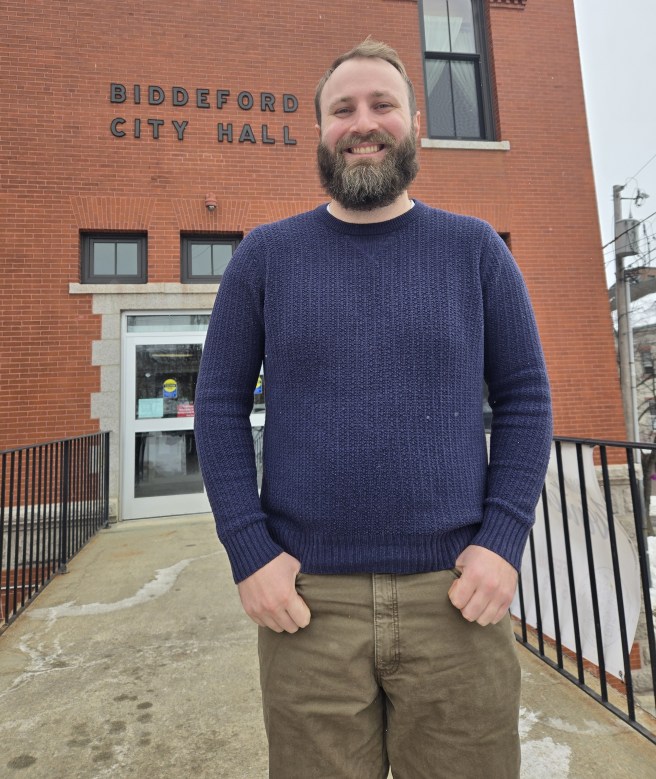
UNHOUSED SERVICES COORDINATOR and General Assistance Director Jake Hammer | Seaver, File Photo)

“It is the only option we have in front of us,” Hammer said. “We can certainly look at alternatives going forward, but for today – in real time – there is a need, and Seeds of Hope is our best and most cost-effective choice.”

Hammer reminded councilors that the city’s state-mandated General Assistance program determines benefit eligibility on a case-by-case basis. The city’s receives 70 percent state reimbursement for each eligible person who requests funding, he said.

According to Hammer, somewhere between 35 and 45 percent of the Seeds of Hope funding line is eligible for state general assistance reimbursement.

__________

An Unfortunate Reality

Vassie Fowler, executive director of the Seeds of Hope Neighborhood Resource Center, was out of town this week and unavailable to appear before the council during the meetings on Tuesday and Thursday.

During a brief telephone interview with the Gazette, Fowler said it is the council’s decision about how to address today’s current needs, but she also said the city’s elected leaders should remember some other realities that are equally as important as budget spreadsheets.

VASSIE FOWLER, executive director of the Seeds of Hope Neighborhood Center | File Photo

“No one dies at Seeds of Hope,” Fowler said. “People die when they live in hidden encampments – from exposure in the winter or from desperation after jumping in front of an upcoming train.”

Fowler said her program’s overnight warming center accommodates up to 50 adult residents, estimating that 75 percent of them are full-time Biddeford residents.

“No one dies at Seeds of Hope.
People die when they live
in hidden encampments –
from exposure in the winter
or from desperation after
jumping in front of an upcoming train.”

— Vassie Fowler

While Councilors Lessard and Vadnais raised concerns about other financial impacts and public service demands at Seeds of Hope, Hammer said that more than 75 percent of emergency and fire services for unhoused service take place well beyond the vicinity of the South Street resource center.

The council is expected to continue debating this issue and other budget items over the next few weeks.

There will be at least two public hearings on the proposed budget before the FY ’27 budget is adopted and implemented.

For More Information | GA Department Funding Request [View/Download PDF]

For More Information | SEEDS OF HOPE

For More Information | Biddeford FY ’27 Budget Documents

__________

DISCLOSURE | Vassie Fowler serves on the Biddeford Gazette’s Community Advisory Council.

CORRECTION | An earlier version of this story contained a factual error. City Councilor Abigail Woods caught the error and contacted the Gazette to clarify our reporting. Despite our earlier reporting, Councilor Doughty’s proposal to establish a study commission was, in fact, narrowly passed 5-4 with Councilors Lessard, Pierson, Kurtz, Doughty, and Woods voting in favor. The story has been updated. We apologize for the error. If you see or find a factual error in our reporting, please COTACT US

YOUR THOUGHTS?

← Back

Thank you for your response. ✨

__________

STAY CONNECTED | SUBSCRIBE FOR FREE TODAY!

BIDDEFORD GAZETTE

BRACE FOR IMPACT | Biddeford’s Professional & Trusted News Source

Biddeford Gazette | Our Editorial Standards & Policies

© 2026 Biddeford Gazette, Inc. All Rights Reserved

IN-DEPTH | The city, the convent and the university: What happened?

A weeks-long investigation by the Biddeford Gazette reveals a million-dollar real estate deal, a 25-year option on a large parcel of riverfront land and a lack of disclosure that has fueled negative public commentary

By RANDY SEAVER | Editor

As tensions between the city of Biddeford and the University of New England continue to boil, new information about the school’s plans to convert a former riverfront convent into student housing has raised questions and concerns about transparency and accountability.

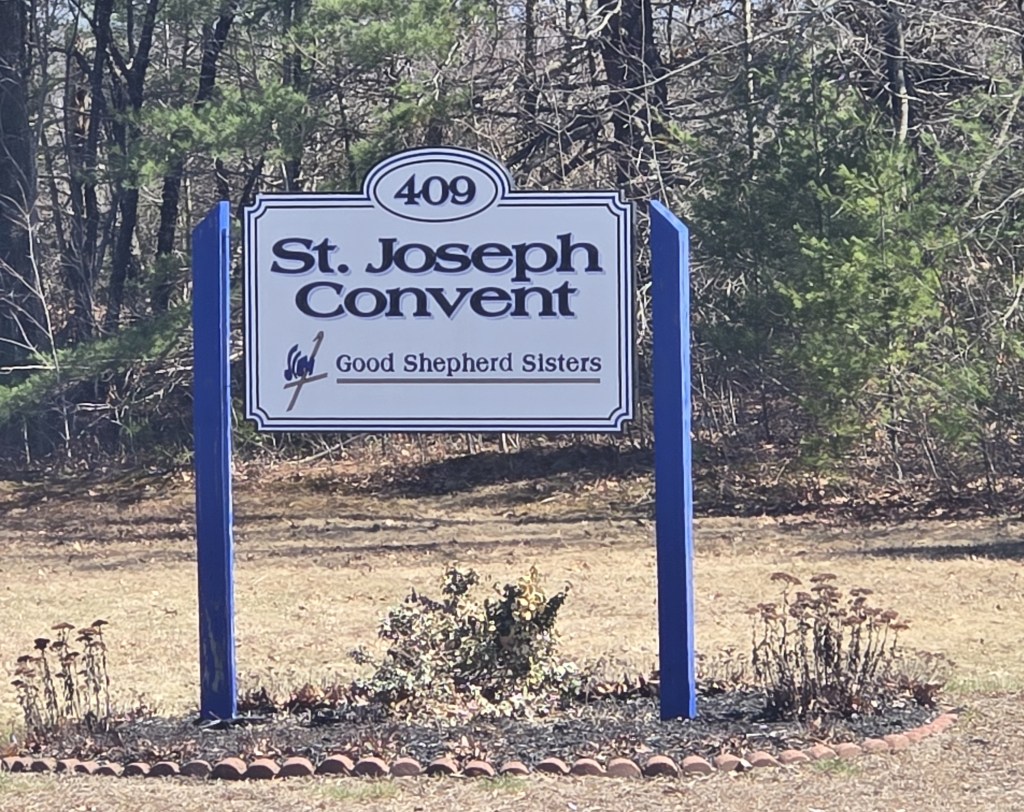
The St. Joseph’s Convent — nestled on a more than 20-acre parcel along the Saco River – was constructed by the Good Shepard Sisters of Quebec in 1987, after a larger parcel that now houses St. Andre’s Healthcare was split into two lots.

During an interview with the Biddeford Gazette earlier this week, a spokesperson for the Sisters said the Pool Road convent was intended to house and care for elderly clergy whose numbers were rapidly declining.

In an effort to remain financially solvent and with a goal to care for themselves, the sisters approached UNE to see if the school had any interest in purchasing the riverfront parcel.

According to both university and convent representatives, those discussions began nearly a decade ago – in 2017.

But in January of this year, when the city proposed a temporary six-month moratorium on development at UNE’s Biddeford Campus, which is located nearly two miles east of the convent – both the Sisters and UNE representatives cried foul, claiming the city’s move could put both institutions in financial peril.

Meanwhile, city councilors said they had no prior knowledge of the pending – and now known – past real estate transactions between UNE and Good Shepard Sisters of Quebec.

The Truth. The Whole Truth. And Nothing but the Truth?

During a Jan. 20 city council meeting about the proposed moratorium, Alan Thibeault, UNE’s vice president of operations, addressed the council saying their move caught the university “by surprise.”

Thibeault then spent several minutes talking about the university’s many benefits to the community. He said the six-month moratorium would hamstring UNE and hinder its ability to attract and retain new students.

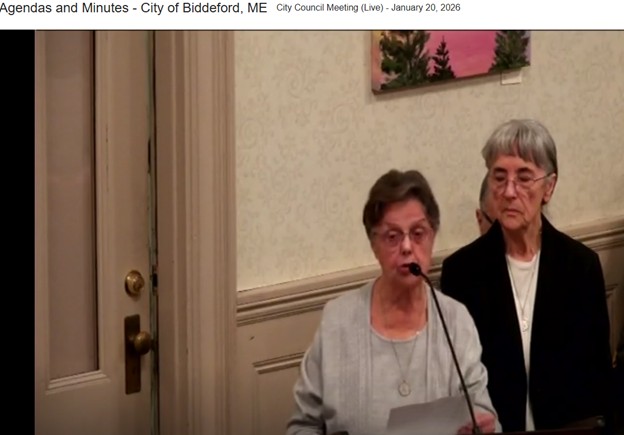
The next speaker at the podium was Sister Therese Gauvin of St. Joseph’s Convent. Gauvin was accompanied by Sister Joanne Roy at the podium.

“THIS WILL BE DEVASTATING” Sisters Therese Gauvin and Joanne Roy appeared before the Biddeford City Council on Jan. 20 to speak against a proposed six-moratorium that would only impact UNE’s Biddeford Campus | Screenshot, City of Biddeford,

_________

Gauvin expressed grave concern about the impacts of the six-month moratorium. She said it could adversely impact a small and dwindling group of women who had dedicated themselves to community service as local teachers and social workers.

“This moratorium is devastating to the sisters – psychologically, physically and spiritually,” Gauvin said during her public remarks.

But what Gauvin did not mention during her public testimony is the fact that she, personally, had already executed at least two real estate transactions with the university.

A million dollars and a 25-year option for UNE

The first transaction between the sisters and UNE was the sale of an approximate five-acre lot with no buildings for roughly $1 million — finalized just months before Gauvin inserted herself into the public debate about the city’s then-proposed temporary, six-month moratorium.

 That 4.8-acre parcel was appraised by the city of Biddeford in 2025 for $115,800.

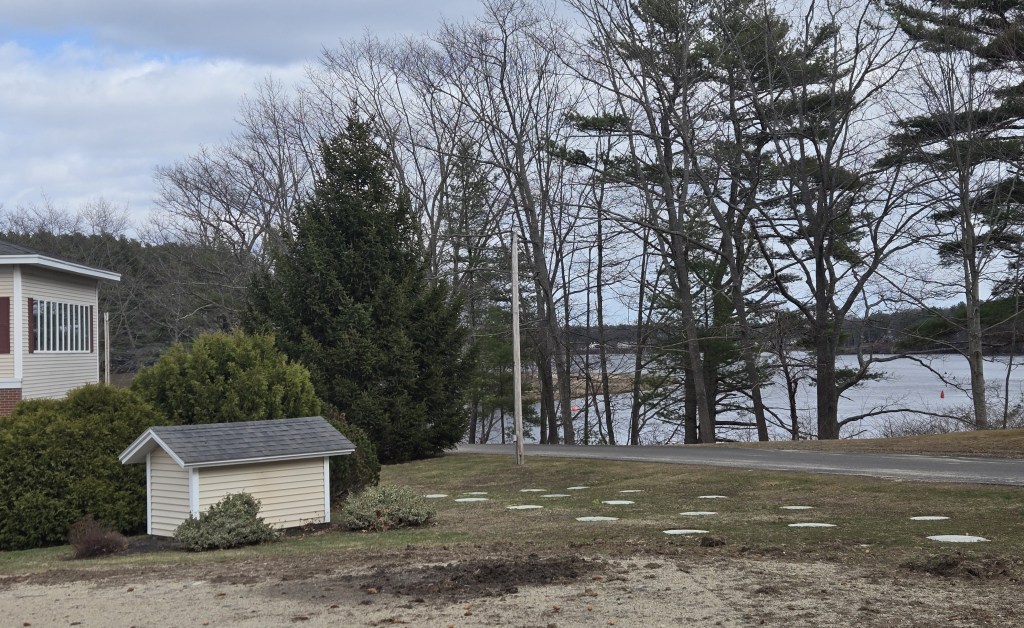
PRETTY REAL ESTATE | The St. Joseph’s Convent facility is perched on the edge of the Saco River. UNE is hoping to convert that facility into future student housing. | Seaver photo

__________

Gauvin also did not mention or make any reference to another real estate transaction that she executed with UNE. That transaction gives UNE a 25-year option on the remaining large parcel of land: 23.7 acres.

The university’s option will not expire until May 16, 2049, according to documents the Gazette obtained at the York County Registry of Deeds.

Walter Alexander, the son of the late Marshall Alexander — who served many years as Biddeford’s harbormaster — said he was not surprised that both UNE and the Sisters kept quiet about their real estate dealings.

“When you go into a court of law, you are expected to raise your right hand and affirm that you will tell the truth, the whole truth and nothing but the truth,” Alexander said.

“I guess that rule for rigorous disclosure doesn’t apply when you offer testimony at the public podium in city council chambers.”

Both UNE representatives – including their senior attorney Ron Schneider – sat next to the Sisters in the back row of the council chambers, silent with arms crossed during the Jan. 20 council meeting.

No one from the university or the convent made any attempt to provide context for the council or for members of the public.

“When you go into a court of law,
you are expected to raise your
right hand and affirm that you will tell
the truth, the whole truth and nothing
but the truth. I guess that rule doesn’t apply
when you offer testimony to
the city council.”

— Walter Alexander, Biddeford resident

During the council’s debate of the moratorium, Councilor Jake Pierson asked City Attorney Harry Center to clarify that the moratorium would do “nothing to interfere with the sale of the convent” – located two miles away from the school’s campus.

“That’s right,” Center replied.

The UNE delegation and the Sisters remained seated and silent

The council voted unanimously to enact the moratorium. Moments later, this reporter asked Thibeault if he wanted to offer any further comment.

“No,” he replied, walking briskly toward the exit with other UNE employees.

A relationship without honest communication?

Several city councilors – including Marc Lessard, Council President Roger Beaupre, Dylan Doughty and Brad Cote – all said they knew nothing about the convent real estate negotiations with UNE until the city announced a potential six month moratorium.

“The university is constantly telling us that they want to have a productive and meaningful relationship with the city,” Doughty said. “How are you supposed to build a relationship of trust when one side is keeping its cards so close to its chest?”

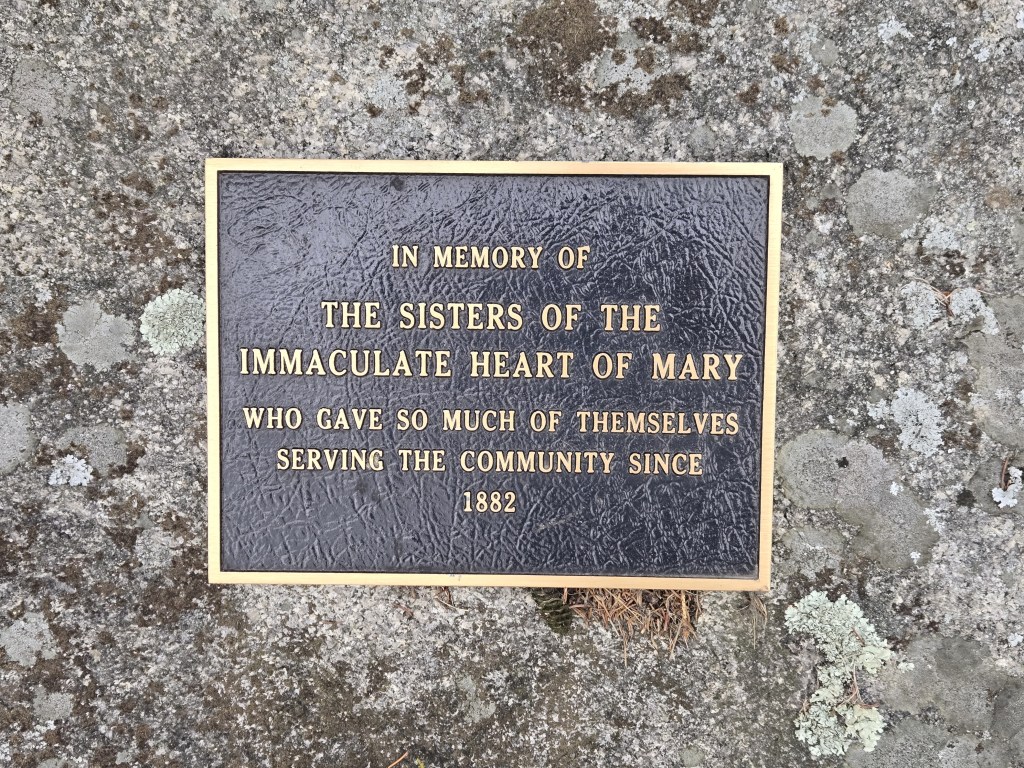
A LEGACY | A plaque displayed near the entrance of St. Joseph’s Convent | Seaver photo

______________

Lessard, who has served on the council since the early 1990s, said he was disappointed to learn the new information.

“This is yet just another example of why there is a certain level of animosity directed toward the university by some members of the community,” Lessard said. “This stinks to high heaven, and please forgive the pun.”

Cote said he found it “offensive” that the university would plead economic hardship about a temporary six-month moratorium that is intended to give the city time to review zoning ordinances that have not been updated in a quarter century.

“That property [UNE’s Campus on Hills Beach Road] is worth roughly $82 million,” Cote said. “For them to cry foul and economic hardship is a real stretch.”

What Does UNE Say?

During an in-depth, hour-long interview earlier this week on UNE’s campus, Thibeault maintained that the university wants to have a productive and open relationship with the city.

When asked why he did not offer any clarification or context at the Jan. 20 council meeting, Thibeault said his “options were limited.”

“Three minutes at the podium would hardly be enough time to offer any clarification,” he said.

A few weeks ago – on March 11 – UNE President James Herbert sent an op-ed letter to area media outlets, expressing frustration about an atmosphere of “misinformation.”

“The public discussion has included anonymous attacks, misinformation, and reckless accusations circulating through social media and emails from untraceable and unresponsive sources,” Herbert wrote.

In that same media statement, Herbert acknowledged that the university bears at least some responsibility about public communication that is often mired in rhetoric and false accusations.

“Despite our best efforts, UNE has clearly fallen short in our communication efforts,” Herbert wrote in the statement.

This week, Thibeault also echoed that sentiment, saying the school needs to do a better job in ensuring open communication – even when addressing somewhat hostile public commentary.

Thibeault also stressed that the university has been open and transparent about its ongoing negotiations with the Good Shepard Sisters, pointing out that the university distributed a press release about the negotiations in November 2024.

That press release, however, contained no information or details about the 25-year option or the $1 million purchase of five acres from the Sisters.

NOTE: That press release was distributed on November 12, 2024 – roughly two weeks before the Biddeford Gazette was launched.

A LARGE PARCEL OF LAND | UNE now holds an option on a 20 +/- acre of land along the lower Saco River (Seaver)

____________

Both Thibeault and Cheryl Wells – a representative from the Sisters – say they never intended to hide any information or mislead the public.

Both organizations confirm that it was the Sisters who first approached the university. They also confirmed it was the Sisters who wanted the 25-year option to give them flexibility for their future plans, despite what Sister Gauvin said from the public podium at the Jan. 20 council meeting.

Gauvin said at the public meeting that her organization was only months away from “finalizing their negotiations with the university.”

Gauvin asked the council to consider delaying the moratorium until the transactions were finalized, without mentioning the existing 25-year option.

Wells told the Gazette this week that it was the Sisters who first approached the university about a possible land sale.

“The university’s history and core philosophy perfectly aligned with the Sisters’ mission that was dedicated to service and public education,” Wells said.

“It is a partnership,” Thibeault said of the Sisters. “We have kept them informed, but never asked them to advocate on our behalf.”

Public fallout from the moratorium

Just days after the Biddeford City Council voted unanimously to enact a six-month moratorium on development at the school’s campus, a flurry of public commentary began circulating – all of which castigated Mayor Liam LaFountain and the city council for being “unfair” toward the university and for “disrespecting” the nuns who had dedicated their lives to serving the community.

The Gazette published no fewer than five of those letters and guest columns, each containing similar themes and writing styles.

Not one of those angry, sharply-worded complaints originated in Biddeford. In fact, at least three of those letters can be traced back to the family of Sister Joanne Roy who stood next to Gauvin at the Jan. 20 meeting.

One letter was written by Bernard Roy, a former Biddeford resident who now lives in Ada, Michigan. Another letter came from Roger Roy of Lyman, Maine.

Two other letters were published by the Gazette, both from Diane Snow of Cumberland, Maine. A quick look at Snow’s Facebook account shows that she is associated with several people who share the surname of Roy.

Mayor Liam LaFountain said he truly wants the city to have a good and productive relationship with the university, but a lack of transparency and accountability from the university is making that goal difficult.

“As we all work through a number of consequential and serious issues that will set the stage for the city’s future development, it is incumbent upon all of us to remain rigorously dedicated to the principles of transparency and open communication,” LaFountain said.

NEXT | A lack of communication from Biddeford’s Planning Department and the Saco River Corridor Commission.

READERS SAY . . .

JOHN GREGOIRE | Biddeford

Typical liberal policies! Unfortunately the City of Biddeford has been under Democratic rule for decades. So instead of fostering a productive relationship with UNE the City “leaders” have decided to act like typical liberals and have added roadblock after roadblock and layer after layer of bureaucratic bull hockey which only adds time and costs to any project

.

YOUR THOUGHTS?

← Back

Thank you for your response. ✨

STAY CONNECTED | SUBSCRIBE FOR FREE TODAY

BIDDEFORD GAZETTE

BRACE FOR IMPACT | Biddeford’s Professional & Trusted News Source

Biddeford Gazette | Editorial Standards & Policies

© 2026 Biddeford Gazette, Inc. All Rights Reserved