
As state and federal investigations into the Biddeford shooting get underway, a review of previous Maine cases show how investigations into use of force often lean heavily on officers’ perception of potential harm.
By CAITLIN ANDREWS | The Maine Monitor
By SEAN SCOTT | The Maine Monitor
NOTE | This story was originally published online by The Maine Monitor and is republished here with permission
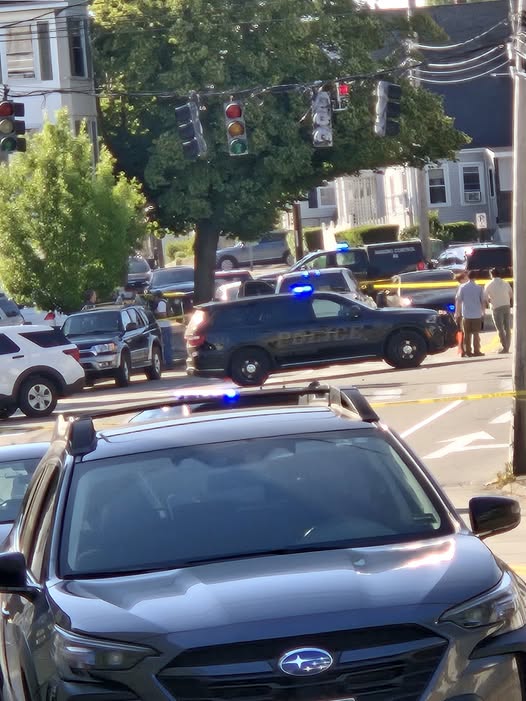
The fatal shooting of Johan Sebastián Durán Guerrero in Biddeford earlier this month marked the second time federal immigration agents fired at a moving vehicle in less than a week and the fifth time immigration officials have killed someone driving a vehicle since the Trump administration began ramping up enforcement last January.
. . .
His death has reignited questions about the training Immigration and Customs Enforcement officers receive and the tactics they use to carry out deportation efforts across the country — particularly when it comes to firing at cars.
Federal agents are only allowed to shoot at moving vehicles if a person in the vehicle is threatening deadly force by another means or if their operation of the vehicle “threatens to cause death or serious physical injury” to the officer or others, according to the U.S. Department of Homeland Security’s use of force policy.
Discharging a weapon at a vehicle could cause the driver of the car to lose control or fatally injure an innocent bystander, and officers are taught to avoid the practice except in very rare circumstances, policing experts told The Maine Monitor.
Yet the Biddeford shooting was the 20th time federal immigration agents have shot or claimed to have shot at a moving vehicle since the start of last year, according to a database maintained by The Trace.
Immigration agents’ use of traffic stops has become a flashpoint in the national debate over the Trump administration’s deportation tactics. More than half of the cases identified by The Trace where immigration agents have used deadly force since 2025 started as traffic stops; in two thirds of those cases, federal officials have claimed that the victims used or intended to use their vehicles to cause harm.
RELATED | ‘They keep killing people’: Grief and anger follow Biddeford ICE shooting
In several instances bystander footage has challenged the government’s narrative, but the circumstances around each shooting have been difficult to determine in part because ICE agents have yet to fully adopt body cameras. This is despite the agency’s pledge to deploy them nationwide after two deadly shootings in Minneapolis in January.
Following the Maine shooting, the U.S. Department of Homeland Security announced it would stop all non-emergency traffic stops, but that was quickly overturned by President Donald Trump, who called traffic stops one of the department’s “most important and effective Crime Fighting tools.”
In an interview on CNN on Sunday, Trump’s border czar Tom Homan said the department’s use of vehicle stops was still under review, but he claimed the agency had made some “immediate changes,” including requiring “at least one body camera onsite to record the entire event.”
In Maine, local, state and federal law enforcement officers have shot at vehicles at least 24 times since 2002, according to a Maine Monitor analysis of deadly force investigation reports issued by the state attorney general’s office. Four incidents resulted in at least one person’s death; another 11 resulted in injuries. No law enforcement officers died in any of the incidents. In 17 cases, the officers’ use of force followed a vehicle pursuit or officers being dragged by a moving vehicle. In all cases, the attorney general determined the use of force was justified.
As state and federal investigations into the Biddeford shooting get underway and many of the details remain murky, the earlier Maine cases show how investigations into use of force often lean heavily on officers’ perception of potential harm. Advocates for police reform said law enforcement training needs to emphasize how dangerous shooting at vehicles can be.
Only if a vehicle is being used as a “ramming device, or mowing people over” should police shoot at a moving vehicle, said Chuck Wexler, executive director of the Police Executive Research Forum, a law enforcement policy organization.
Otherwise, he said, “why threaten or risk the life of someone or an officer?”
CONTINUE READING | Full Story Here
. . .
This story was originally published by The Maine Monitor, a nonprofit and nonpartisan news organization. To get regular coverage from The Monitor, sign up for a free Monitor newsletter here.
.

BIDDEFORD GAZETTE
“Keeping You Connected to Biddeford”
Editorial Standards & Policies
© 2026 Biddeford Gazette, Inc. All Rights Reserved
 BIDDEFORD GAZETTE