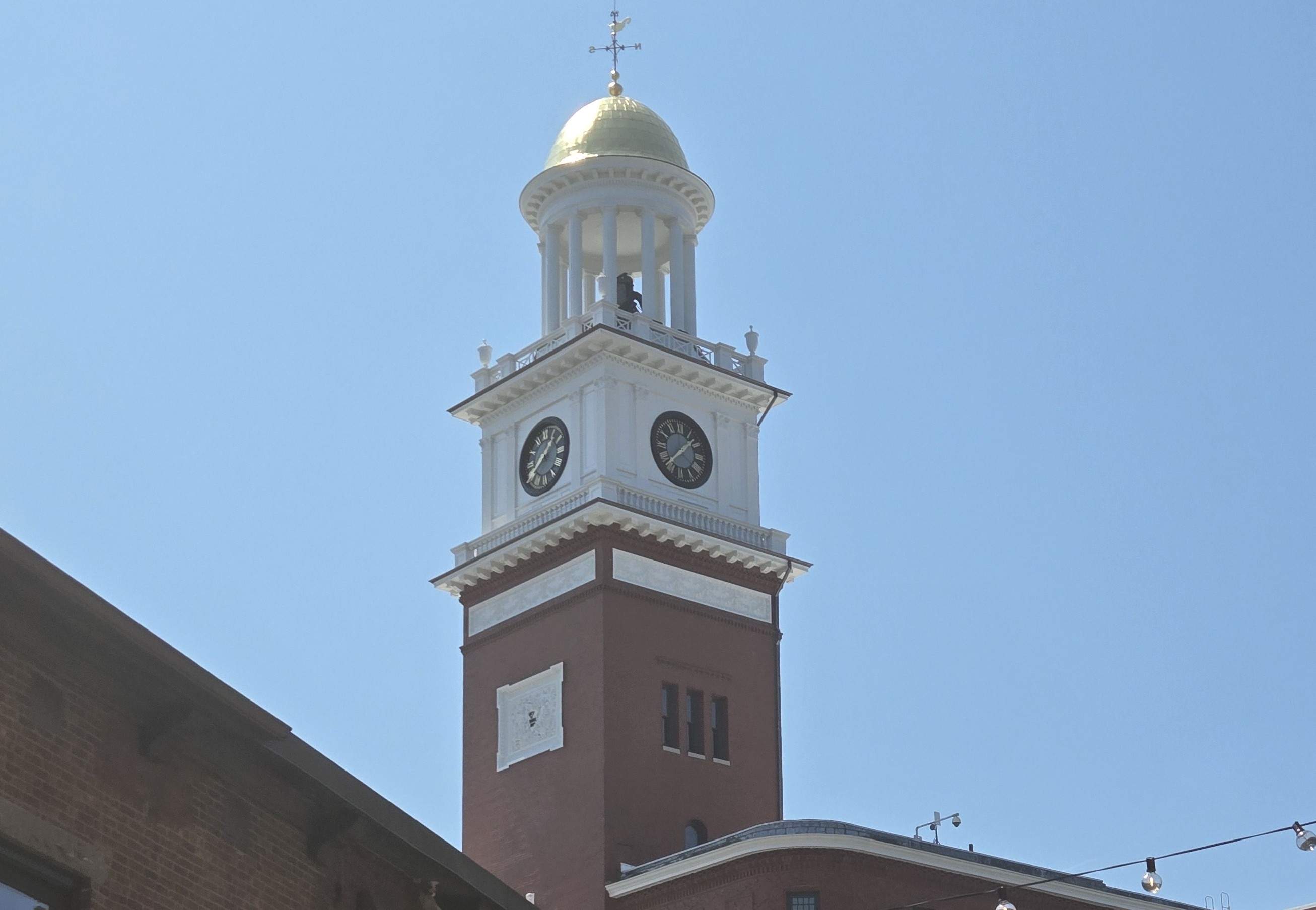
By BEN NEVEUX | Biddeford
Over the past decade, Biddeford’s property taxes have steadily climbed. In 2013 the city’s total tax rate was $16.54 per $1,000 of valuation. By 2022 it had reached $18.23, with several years above $19 and even $20 along the way.
That may not sound dramatic at first glance, but it represents roughly a 10 percent increase in the tax rate over ten years—and that figure doesn’t include the dramatic rise in property valuations that has pushed many homeowners’ actual tax bills much higher.
At the same time, many Biddeford residents are facing the same reality as everyone else: inflation, rising insurance costs, and household budgets that do not grow automatically each year.
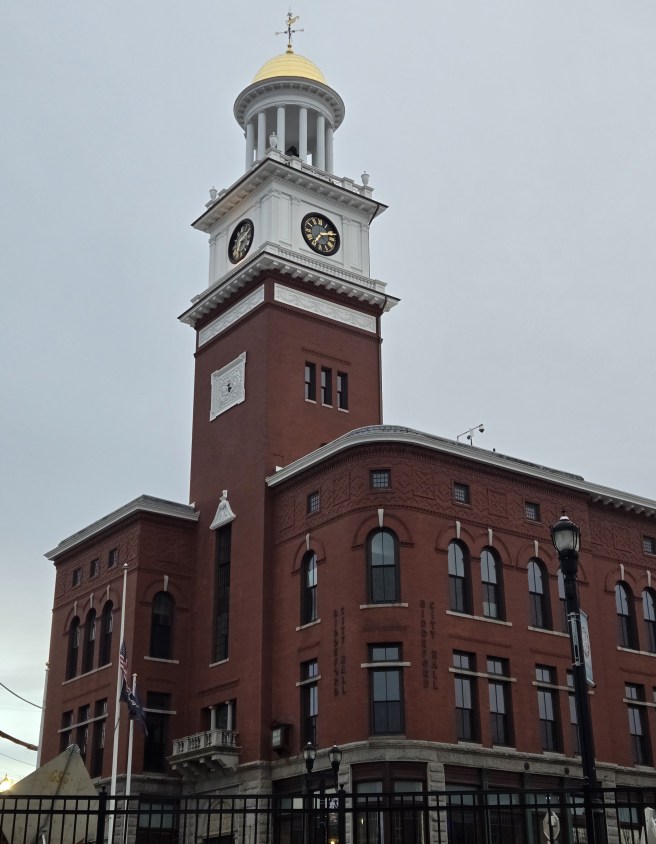
That is why this moment—when the next Biddeford Charter Commission is being considered—is the right time to discuss a structural reform: tying property-tax increases to inflation.
Across the country, municipalities are experimenting with tax caps or inflation-indexed limits to ensure government grows at roughly the same pace as the economy that supports it. The principle is simple. If inflation is 3 percent, the default growth of government should not exceed 3 percent unless voters explicitly approve it.
Such a rule does not prevent the city from funding important priorities. If voters want expanded services, new schools, or large infrastructure projects, they can approve overrides at the ballot box. But it does create an important discipline: government must justify spending increases rather than assuming taxpayers will absorb them.
An inflation-linked property-tax cap would also force difficult—but healthy—budget conversations. When revenue growth is limited, cities must prioritize core services, reduce waste, and rethink programs that may no longer be essential. In other words, government must make the same choices that Biddeford families make every day.
“. . . growth should not automatically translate into ever-rising tax burdens for the people who built this community. . .”
Biddeford is in a period of remarkable growth. Downtown investment has surged, property values have increased, and new residents are discovering the city’s character and potential. But growth should not automatically translate into ever-rising tax burdens for the people who built this community long before the boom.
The upcoming Charter Commission presents a rare opportunity to place long-term guardrails on municipal finance. A charter provision tying property-tax increases to inflation—unless voters approve otherwise—would create predictability for homeowners, discipline for city government, and transparency for taxpayers.
Biddeford’s future is bright. The question now is whether the city will adopt policies that ensure prosperity growth does not come at the expense of affordability. The next Charter Commission should seize this moment and put a sensible inflation-based tax limit before the voters.
ABOUT THE AUTHOR | Ben Neveux is a Biddeford resident. He is also a member of the Biddeford Gazette’s Advisory Board.
__________________
NOTE: The Biddeford Gazette strongly encourages reader feedback and public commentary regarding our coverage and issues directly related to the city of Biddeford. To submit a letter to the editor or guest column, please contact us at biddefordgazette@gmail.com
Never miss an update! Subscribe to the Gazette for free today!
THE BIDDEFORD GAZETTE |A Legacy of Trusted, Independent Journalism
Our editorial standards and policies: Biddeford Gazette | Standards & Policies
© 2026 Biddeford Gazette, Inc. All Rights Reserved
 BIDDEFORD GAZETTE