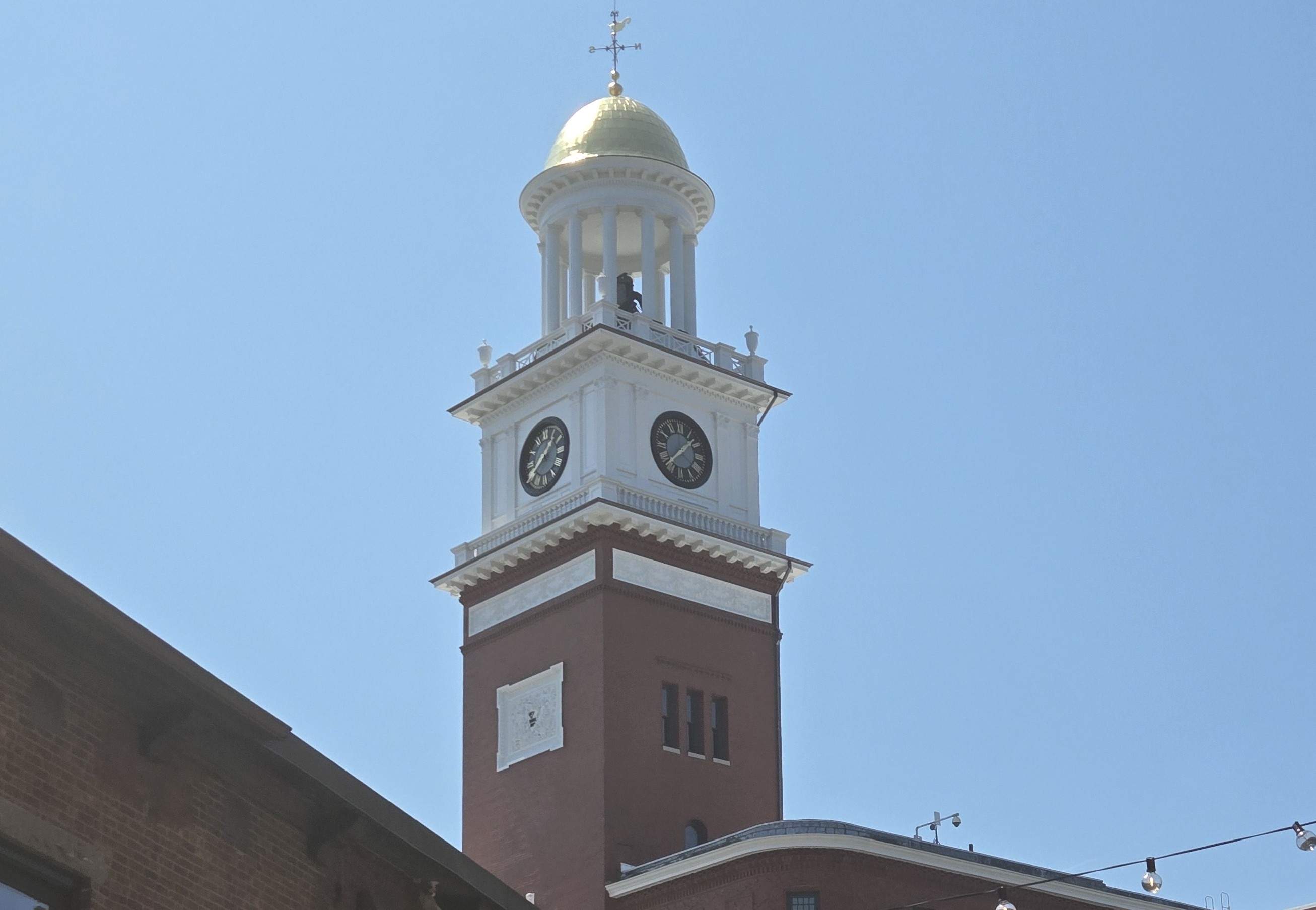
As Maine lawmakers gear up for what is expected to be a grueling session, there are two topics that both Democrats and Republicans agree should be a top priority.
The 132nd Legislature will consider several bills aimed at tackling the state’s housing crisis while also addressing a projected $450 million budget shortfall and a new budget proposal that represents a 10 percent increase in state spending.

When it comes to issues of housing, Biddeford’s delegation is well poised and ready to tackle the complex issues of homelessness, the need for affordable rental units, protections for mobile home residents and the rather stagnant supply of workforce housing options, which includes starter homes for Maine’s families.
“There is a lot for us to do on these issues,” said State Rep. Traci Gere (D-Biddeford) “We’re just getting started, but I am optimistic that folks on both sides of the aisle are ready to roll up their sleeves.”
Gere was just elected to her third term. She represents coastal Biddeford and Kennebunkport, and was just appointed as the House Chair for the Joint Standing Committee on Housing and Economic Development.
Rep. Marc Malon (D-Biddeford) has also been appointed to serve on that same committee.
Though Gere’s coastal district is rich in land and real estate values, it is also home to an aging population – seniors who are wondering how they can remain in homes they have owned for generations while struggling to keep pace with rising property taxes.
“Our housing problems also adversely impact people who already have stable housing
— Rep. Traci Gere
“There are so many facets that fit under the umbrella of housing issues,” Gere said, pointing out that roughly eight percent of Maine homeowners occupy manufactured housing.
Gere is hoping the Legislature will be able to help cities and towns across the state in revising zoning standards and cutting bureaucratic red tape.
“Our housing problems also adversely impact people who already have stable housing,” Gere said, pointing out that both businesses and consumers are impacted when front-line workers cannot afford to live in the same community where they work.
Speaker Ryan Fecteau of Biddeford is very familiar with housing issues. In addition to his legislative service, Fecteau is employed as a senior officer of policy and planning for Avesta Housing, a non-profit affordable housing developer that operates throughout New England.
Like Gere, Fecteau believes the state can help municipalities by cutting some of the red tape that often slows housing development.
“There are more than 200 towns in Maine that don’t have any zoning regulations or designated growth areas for new housing,” Fecteau said. “That’s almost half of all municipalities.”
Fecteau said the Legislature can find an appropriate balance in working with communities without overstepping on the bounds of local, home rule.

“There is an appropriate role the state can play in these local discussions,” Fecteau said. “We can bring resources to the table and help our municipal partners without stepping on their toes.”
The looming budget battle
A few days ago, Gov. Janet Mills (D) submitted her proposal for the state’s next biennial budget.
Mills $11 billion budget request represents a roughly 10 percent increase over the current budget.
To support her proposed spending increases, Mills has suggested increasing taxes on a wide range of products and services, including a 50 percent increase on cigarette taxes and more modest increases on things such as streaming services, cannabis and ambulance fees.
Local lawmakers say they are still treading through the massive budget documents that were released less than two weeks ago, but say declining federal revenues that were available to states during the Covid pandemic are no longer available.
State Rep. Wayne Parry (R-Arundel) is back in Augusta for a third consecutive term. He previously served in the Maine House for four terms before taking a two-year hiatus because of Maine’s term limit laws.
Parry will once again serve on the Legislature’s Transportation Committee. When asked about the budget, Parry said he is not feeling very optimistic.
While a majority of Democrats, including Fecteau, say the state needs to increase revenues, Parry say he favors a spending freeze.
‘I know a lot of Republicans are going into this with a mantra of cut, cut and cut, I prefer that we do our best to freeze spending at its current level,” Parry said. “Lots of people talk about the federal monies we received during Covid. Well, I have news, the pandemic is over.
“It just becomes a never-ending cycle of spend, spend, spend.”
Although a new state program designed to help seniors stay in their homes fell flat on its face last year because of huge demand and flaws in its implementation, Parry says there are still many opportunities to help seniors deal with crippling property tax increases.
“I find it really frustrating,” Parry said. “We’re not taking care of our seniors and veterans. The focus is all about people who have lived in Maine for about five minutes.
“I support programs to help people out and lend a hand, but how can we keep inviting people who need financial assistance into our state when we can’t properly take care of the people who already live here?’
When asked about the budget shortfall and looming increase, Fecteau and Gere say that many of the newer programs the Legislature passed have wide and strong support among voters.
“When you look at some of the things we accomplished – as our commitment to fund 55 percent of local school budgets to help local property taxpayers, or the universal free me program for all students, I don’t think there would be much support for cutting those programs,” Fecteau said.
“But the cost for those programs does not stay flat. We have to consider inflationary impacts and shrinking federal funds.”
Parry criticized Mills for not recognizing the importance of Maine’s transportation needs, saying 100 percent of all revenue from the state’s vehicle sales tax should be used to support a vital part of Maine’s infrastructure.

Currently, Parry says, only about 40 percent of vehicle sales tax revenues are being used for transportation.
“It’s really frustrating,” Parry said. “Our transportation infrastructure, including bridges, highways and roads is essential for everything from day-to-day commerce to tourism.”
“It feels like we don’t have our priorities straight.” he added.
Editor’s Note: This is a corrected version of the story. In a previous version, we misquoted State Rep. Wayne Parry in reference to gasoline taxes, which should have read vehicle sales tax. We apologize for the error.
Never miss another update! Enter your email and subscribe for free today!

 BIDDEFORD GAZETTE