OPINION: Credit Enhance Agreements aren’t the problem

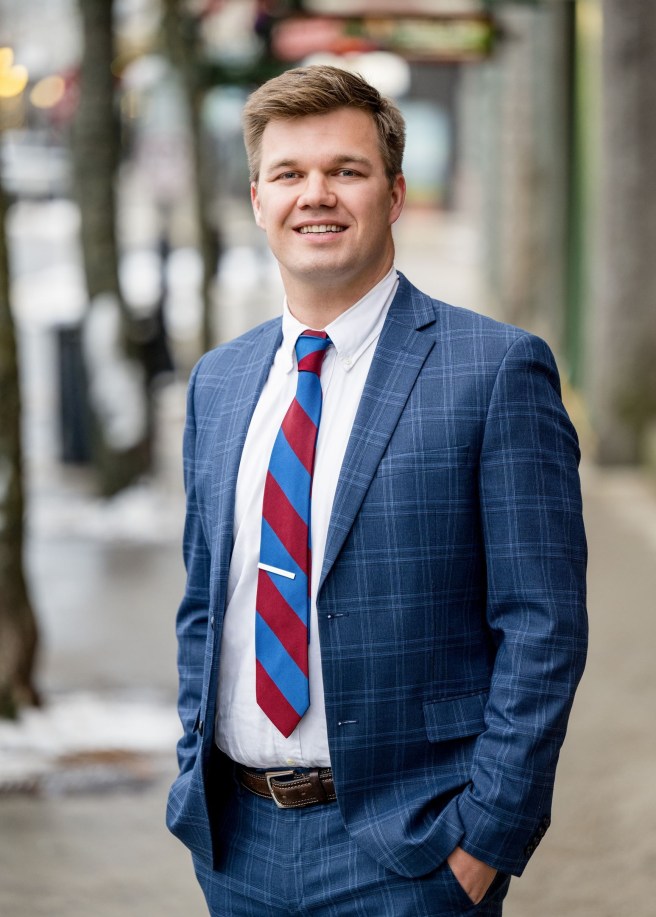
By SAM PECOR, Special to the Gazette

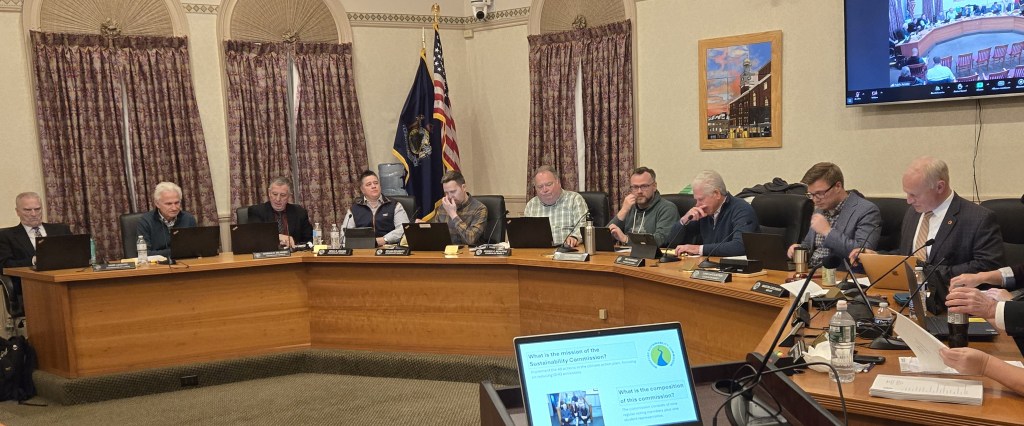
A January 13 City Council workshop meeting included an in-depth presentation by Philip Saucier of Bernstein Shur on TIFs (tax increment financing) and CEAs (credit enhancement agreements).

These terms get thrown around like they’re the same thing. They’re not. They’re separate tools, each with a purpose and each capable of being used well or badly.

In my day-to-day life, I might go from using my computer to using a table saw. Both are tools. Both can do real damage if you use them carelessly. The solution isn’t to ban computers because identity theft exists, or to ban table saws because they can take a finger.

Photo By Patrick Fitzgerald -Wkipedia

The solution is guardrails: good practices, good rules, and an understanding of the risks.

CEAs work the same way. A CEA isn’t automatically “a giveaway.” It’s a contract that can be written with real conditions. It can be as simple as reimbursing a percentage of new tax revenue, or it can be designed to pay only when specific outcomes are delivered. That distinction matters because Biddeford’s biggest redevelopment controversies haven’t been about the existence of a tool. They’ve been about leverage.

My interest in municipal governance was spurred by the MERC redevelopment process, a slow, meandering saga that’s now closing in on a decade since the first site concepts were drafted.

When you read the agreements closely, what jumps out isn’t just time. It’s how little enforceable leverage the city retained to shape a defining downtown project. Ironically, one of the most criticized mechanisms in these deals is also one of the best ways to demand results: a well-structured CEA.

If the city wants outcomes like housing units, specific mixes of development, public infrastructure commitments, and timelines that actually mean something, CEAs can be written to require them. Tie reimbursements to milestones. Build in performance metrics. Use phased triggers and claw backs when promised deliverables don’t show up.

That’s not anti-development. That’s basic accountability.

So, while I understand the instinct to be skeptical of CEAs, especially given how some have been structured in the past, I’d caution the City Council against rejecting a tool that can provide serious negotiating leverage.

The problem isn’t CEAs. The problem is CEAs written with no teeth. CEAs are a tool. Like a table saw, they deserve respect. Used well, they build something real.

Used carelessly, people get hurt.

___________

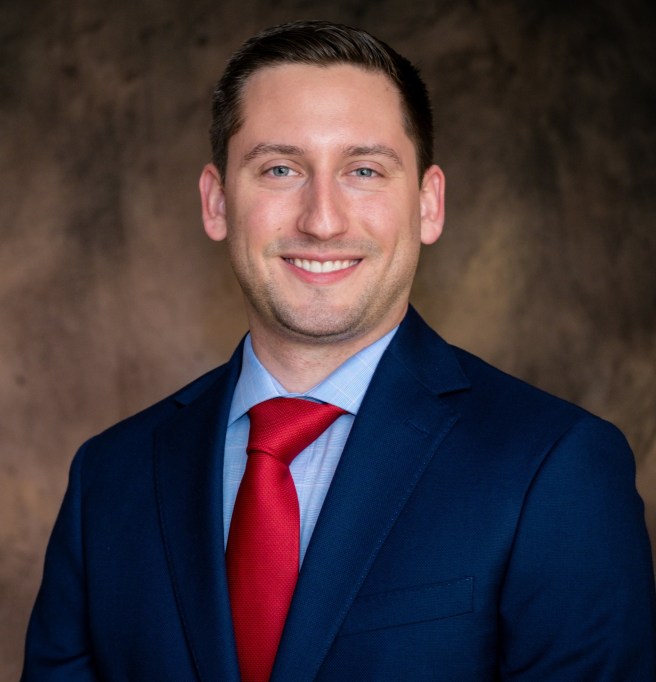
Sam Pecor

Sam Pecor is a Biddeford resident and a member of the Biddeford Gazette’s advisory board. The views expressed are those of the author. The Gazette welcomes guest columns and letters to the editor from our readers.

For more information, please contact us

Never miss another update! Subscribe for free today!

OPINION: Biddeford’s pain can be treated

By SAM PECOR, Special to the Gazette

Let me ask you something: what do you do when you feel pain?

That’s a loaded question. So, let’s stick to the responsible move: see a doctor and establish the cause.

The answer is no different when it comes to a business, a city, a state or even a nation. Identifying the causes of our malaise is the first step toward remedying it. So why are we so averse to that conversation in public? We are unable to get past “something hurts” and identify what’s hurting and what’s causing it.

Biddeford has suffered years of preventable mismanagement that has persisted without anyone naming the specific, often boring, causes.

Sam Pecor

Take our Comprehensive Plan. You don’t need a comprehensive plan to exist as a city. You do, however, need the state’s approval, a finding of consistency, if you want the full set of planning tools, if you expect the state to take your zoning seriously, and if you want Biddeford to be competitive for the grant dollars and capital investment that reward communities that plan.

According to the state’s own planning incentives list (quoted verbatim), here’s all that we’ve given up by not receiving state approval for our Comprehensive Plan:

  • Enact legitimate zoning, impact fee, and rate of growth ordinances;
  • Require state agencies to comply with local zoning standards;
  • Qualify for preferred status with many of the state’s competitive grant programs;
  • Guide state growth-related capital investment towards locally-chosen growth areas;
  • Qualify for Site Location of Development Act exemptions for certain growth-area developments;
  • Qualify for relaxed MaineDOT traffic permit standards for certain growth-area developments;
  • Qualify for authority to issue Natural Resources Protection Act (NRPA) permits; and
  • Qualify for authority to issue Site Location of Development Act permits.

For the residents living beside the York Judicial Center: in practice, without a state-approved Comprehensive Plan, our zoning standards can be merely advisory to the state, weakening our ability to protect abutters.

Failure to adopt a state-approved Comprehensive Plan does far more than erode our ability to self-govern. It affects everyone. It weakens our competitiveness for state grant opportunities. That leaves significant money on the table and pushes more of the burden onto property taxpayers.

A consistent failing among city leadership has been communicating the connections between these problems and the pain we are feeling today. When people understand these connections, they are more likely to support real solutions: funding for staff, investments in technology and increased compliance oversight, to name a few.

Citizens of Biddeford understand cause and effect; we get that investing $1 to save $2 is a good deal. Establish the cause, determine the cost and implement a strategy that saves more than it costs. That’s it, that’s the whole ball game.


Sam Pecor is a Biddeford resident and serves on the Biddeford Gazette’s Advisory Board. We welcome submitted commentary from our readers. For more information, please CONTACT US

Never miss another update! Subscribe for free today!

OPINION: A change will do us good?

On Tuesday, I sat in my usual seat in the Biddeford City Council Chamber — back row and closest to the door.

With my back against the wall, I can see and monitor almost everything happening in the room.

That perch also provides a quick exit in the event that the shit hits the fan.

I almost didn’t go to the meeting. I had a pretty bad headache, and Laura suggested that I could just stay home and watch the meeting online.

Nope, I said, reaching for my jacket. This would be the last meeting for this current group of city councilors.

It would also be the last council meeting for Biddeford Mayor Marty Grohman.

The last regular meeting of the 2023-2025 Biddeford City Council (Seaver photo)

Tuesday’s council meeting was yet another significant moment in our city’s history. The transition process has begun. A new administration will take over the reins in less than two weeks, during the Dec. 2 inauguration ceremony at City Theater.

I am excited about the change, but I am also feeling some trepidation and even some sadness.

Over the last two years, this current council has become akin to a favorite chair that is a tad worn, a bit stained — but always a good fit and comfortably familiar.

Yes, it’s time for a new chair. But I am going to miss this one.

Waiting for the meeting to start, I began pondering all the ups and downs that this council and mayor have faced over the last two years.

There were some high points and some low points. There was anger and there was laughter. I suppose the same could be said for any governing body, but you simply cannot deny that this council was battle-tested during the last two years.

You simply cannot deny that
this council was battle-tested
during the last two years.

Change is an unavoidable part of life. We have to let go of the familiar in order to discover new opportunities. That is often easier said than done.

You say hello, and I say goodbye

The mayor seemed somewhat somber during Tuesday’s council meeting. He smiled and laughed during some of the meeting’s light-hearted moments, but you could almost feel his sadness.

And who could blame him? Marty put his heart and soul into the job. When he took over the reins two years ago, he was brimming with ideas and energy.

He was a fresh voice following a 12-year run by his predecessor and mentor, Alan Casavant.

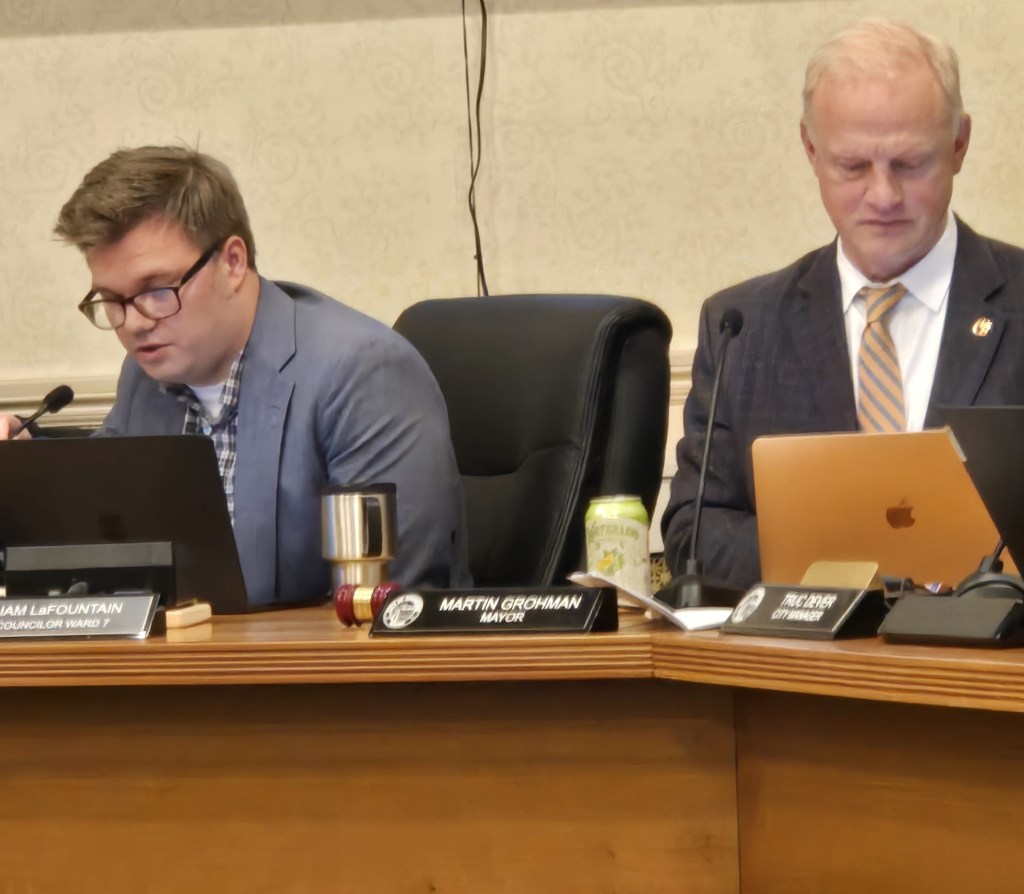
Mayor Marty Grohman (right) chairs the final city council meeting of his term while mayor-elect Liam LaFountain (left) reviews an agenda item during Tuesday’s meeting

Marty pledged to hit the ground running. And he made good on that promise. So, naturally, it’s easy to understand why his loss for a second term stings – and will probably sting for a long time to come.

When Marty took over, he inherited some challenges that were not his fault. Former city manager James Bennett was acting like a petulant overlord at City Hall, and he would treat city councilors like a group of adolescents learning how to French kiss.

There were other challenges: a skyrocketing unhoused population, a finance department in chaos and the hemorrhaging of city staff.

Marty rolled up his sleeves and jumped immediately into the deep end of the pool. He never checked the water temperature or whether there were other swimmers in his path.

You have to go back more than 30 years to find another mayor who only served one term in office. Talk about a lonely-hearts club.

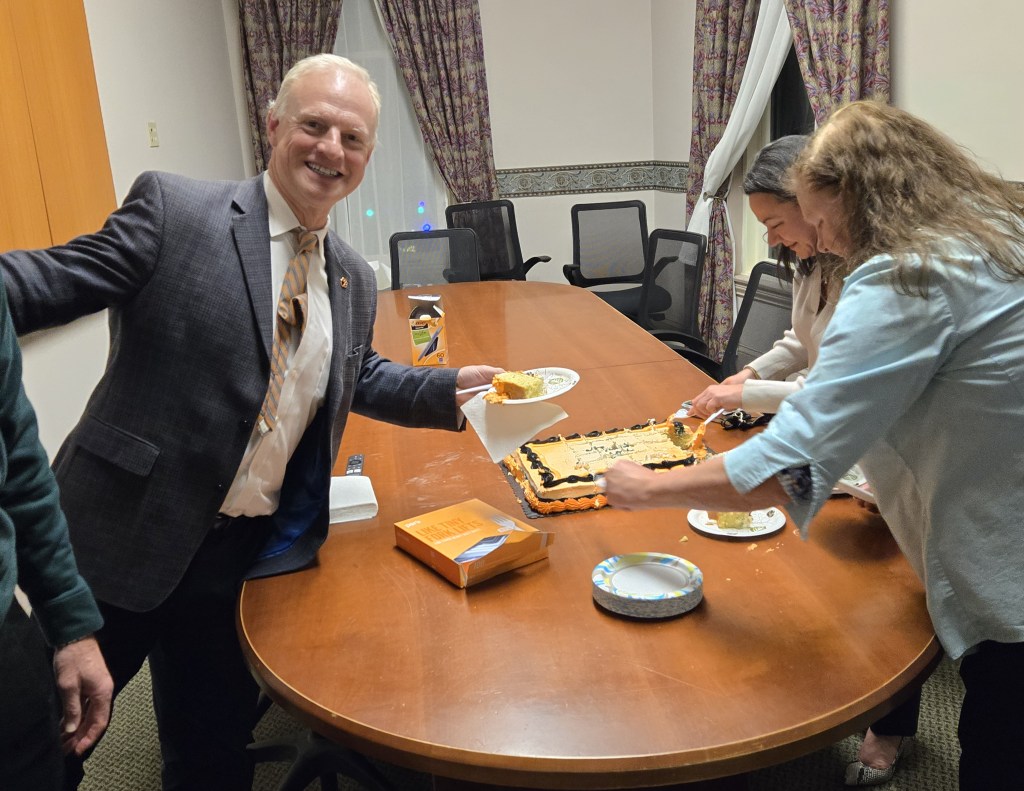
During a break of Tuesday’s council meeting, Mayor Marty Grohman invited the public and city councilors to join him for a ceremonial piece of cake to mark the last meeting of the 2023-2025 Biddeford City Council (Seaver photo)

The perfect storm

Two years ago, the city’s elections could easily be described as a “sleeper” affair. Only two city council seats were being contested. Every sitting councilor sought another term.

By contrast, this year’s elections saw contests in five of the seven ward council seats and a three-way contest for the two at-large council seats.

Moreover, Councilors William Emhiser, Scott Whiting and Neva Gross decided to step down this year. Councilors Norman Belanger and Liam LaFountain gave up their seats to run for the mayor’s chair.

There was some excitement in the air this year. Six political newcomers decided to run for council and three of them won their respective campaigns (Abigail Woods, David Kurtz and Jake Pierson).

This last election also broke records in voter turnout for off-year, municipal elections.

What was behind that groundswell of interest in Biddeford’s municipal affairs?

The short answer is: a lot.

But I think the real reason is a bit nuanced and somewhat complex. There is no denying that there has been a cloud of discontent hanging over Biddeford for almost two years.

There was some
excitement in
the air this year.

What’s the frequency, Kenneth?

Almost out of the gate, Marty and the current council were knocked on their heels by back-to-back resignations. Both former Ward Four Councilor Bobby Mills and then — two weeks later – former Ward Five Councilor Julian Schlaver resigned, both citing “personal reasons.”

Dyland Doughty won a special election to take over Mills’ vacated seat; and Neva Gross was appointed to serve the remainder of Schlaver’s term.

Only a few weeks ago, former at-large councilor Doris Ortiz announced her resignation because she was moving to a new home outside of the city.

Three resignations in one term? That seems like a record to me.

Two years ago, Councilor Liam LaFountain jockeyed to become council president, ousting Councilor Norm Belanger from that role in a 6-3 vote.

Affordable housing became the focus of the new administration.

Earlier this year, the council received a blistering report about its delayed financial audits from an outside accounting firm.

Wade Goldthwait addresses the city council during a citizens grievance meeting about the University of New England’s planned research pier

Former city manager James Bennett was finally ousted from his office and then filed a lawsuit against the city.

The city hired Truc Dever to become the new city manager.

A major sewer upgrade project along Elm Street drew the ire of residents and downtown business owners who were impacted by the seven-month construction project.

In the background – beyond the council’s purview – there was increasing tension and controversy brewing about a proposed pier that the University of New England hopes to build on the Saco River.

The city ramped up efforts to address the issues of homelessness, clearing out a large encampment near Mechanics Park.

Planning Board Member Roch Angers spoke at a city council meeting regarding his concerns about the UNE pier. The mayor then tried to have Angers removed from his position on the planning board.

Citizens circulated petitions and collected enough signatures to trigger a “citizens grievance” meeting about the UNE pier.

In July, residents saw one of the most heated and tense council meetings in recent memory, calling into question two major development projects on Pearl Street.

Of course, there were many other things that shaped this current council and Marty’s term as mayor but now it is time for us to turn and face the winds of change.

It’s time to recycle that old, comfortable recliner. Let’s see what the future brings.

________________

Randy Seaver is the editor and founder of the Biddeford Gazette. He may be reached by email: randy@randyseaver.com

c.) 2025 All Rights Reserved

Never miss another update! Subscribe for free today!

Mayor offers two city council endorsements

By RANDY SEAVER, Editor

NOTE: This story was updated to include comments from city council candidate Abigail Woods.

As Election Day draws closer, Biddeford Mayor Marty Grohman is endorsing at least two city council candidates.

Grohman today announced his endorsement of Brad Cote in the city’s Ward Seven race. Grohman also says he will be endorsing John McCurry in the Ward Two race over political newcomer Abigail Woods.

Earlier today, Cote posted a brief video of himself on Instagram. Within minutes, the mayor – through his campaign page – offered an endorsement of Cote over Sam Pecor, the other Ward Seven candidate.

“Brad is experienced and level headed,” Grohman wrote. “He is the clear choice for this seat. Please join me in supporting Brad Cote for Ward 7!”

You can see Cote’s video and the mayor’s endorsement here.

Cote told the Gazette that the mayor’s comment was unsolicited. “I’m not sure if this is a good thing or a bad thing,” he laughed.

Pecor said he is not especially surprised that Grohman endorsed his opponent in the Ward Seven race, especially since the endorsement came less than 24 hours after he publicly criticized the mayor during a special public meeting on Thursday.

“I’m not sure if this is
a good thing or a bad thing”

— Candidate Brad Cote

Grohman said his endorsement of Cote was not related to Pecor’s public criticism on Thursday night.

When asked if he would be endorsing other city council races, Grohman said he is supporting John McCurry in the Ward Two race over Abigail Woods. Grohman also said he would like to see McCurry become the next council president.

The mayor did not respond to our question about whether he will also make endorsements in the at-large race and in the Wards One, Four and Six races.

“Again, this is something that raises concern about the mayor’s ability to be impartial and transparent,” Pecor said. “You can’t say with a straight face that this is coincidence. It’s very hard to believe that my criticism of the mayor and his endorsement of my opponent today are unrelated.”

Ward Two candidate Abigail Woods said she was disappointed that Grohman endorsed her opponent, especially since she and the mayor both share a priority in meeting the needs of the unhoused and low-income renters, issues that Woods describes as her area of expertise.

“We are all neighbors,” Woods said. “Ideally we will work together no matter who is elected. His endorsement of only two individuals could make this challenging.”

McCurry said he was also surprised to learn that the mayor was his endorsing his campaign in Ward Two.

“I never asked for his endorsement,” McCurry said. “But if he is going to be offering endorsements, he should do them for all the races. There is nothing wrong with the mayor endorsing candidates, but he should not be picking and choosing only certain races.”

______________

Randy Seaver is the editor and founder of the Biddeford Gazette. He may be reached by email: randy@randyseaver.com

c.) 2025 All Rights Reserved

Never miss another update! Subscribe for free today!

Cote, Pecor vie for Ward Seven council seat

The two men who each want to represent Ward Seven on the Biddeford City Council have been regularly attending city council meetings over the last few months.

And, once again, a former councilor is running against a political newcomer.

The bulk of Ward Seven features working-class neighborhoods and includes the city’s industrial parks and the municipal airport.

Brad Cote, 44, is a Biddeford native who previously served on the city council, representing Ward Three from 2012 to 2015.

Sam Pecor, 30, is a real estate agent who moved to Biddeford four years ago.

Pecor says he applied to serve on the city’s Zoning Board of Appeals, the Policy Committee, the Planning Board, and the Citizens Advisory Committee earlier this year but has received “no response” from city officials.

Cote says making “data-driven decisions” that benefit the largest amount of Biddeford residents should be the council’s priority.

He also said the city needs to “improve its transparency to rebuild faith in city government.”

“We need to be realistic that in today’s fiscal environment, prices are going to increase due to inflation,” Cote said. “Costs are going up everywhere, so it is crucial to create an updated plan to determine what expenses are on the horizon and how we can best prepare for them.”

Pecor said the city needs to face a “fiscal reality.”

“Biddeford’s growth is running into a hard math problem,” Pecor said. “We have capital plans without committed funding,” he added, pointing to the city’s long-range goals for sewer separation projects across the city.  

“A 2018 internal estimate put combined sewer -related needs around $100 million.  In today’s dollars that’s plausibly between $150 million and $170 million.”

“The longer we delay, the more it costs,” Pecor said, pointing out that the upcoming sewer bond only covers a thin slice of the total need.

“We need a transparent, multi-year financing plan that pairs phased bonds with a predictable sewer rate path.”

“Biddeford’s growth is running
into a hard math problem,”

— Sam Pecor

Cote also expressed financial concerns for the city.

“Nobody likes tax increases,” he said. “But at the same time, it is not feasible to freeze taxes either. All this does is kick the can down the road and delay necessary expenses until things are falling apart and cost a lot more to repair or replace.”

Cote also said Biddeford has changed a lot since he last served on the council. He said the city no longer needs to offer “handouts” to developers.

“When I was on the council, we were able to get the votes to close MERC. That decision helped turn Biddeford from “Trashtown USA” to a city that has flourishing businesses and a variety of economic drivers.” Cote said.

“To get development started then, we used tax incremented financing (TIFs) and credit enhancement agreements to give developers incentives to redevelop older mill buildings. This was necessary to begin Biddeford’s renaissance, but we’re in a different place today,” Cote said.

“Occasionally, there are instances where perks make sense if data and other information prove it is ultimately a wise investment for the city,” Cote added. “But in most instances, it is not fair that encouraging new development results in the regular taxpayers shouldering that additional tax burden.”

“I like to be helpful, and I have a variety
of skill sets that I learned from
my previous experience on the council”

– Brad Cote

If elected, Pecor says he will make trust and clarity in government one of his top priorities.

“People will fund real needs if they believe the plan is honest and the dollars lead to outcomes,” Pecor said. “Right now, trust is shattered. Let’s fix that with clear budgets; quarterly dashboards on sewer progress, costs, and timelines; and routine two-way communication via representative office hours, social media updates, and partnerships with local journalists.

“If we square up to the fiscal reality, streamline what we control in housing, and rebuild trust through consistent transparency, Biddeford can keep growing without pricing out the people who make it work,” Pecor said.

Cote said he is excited about the prospect of using his prior council experience to help Biddeford move confidently into the future.

“I like to be helpful, and I have a variety of skill sets that I learned from my previous experience on the council,” Cote said. “I will be a good steward of tax money and will work hard to pursue alternate funding streams to take a bit of the emphasis off property taxes.”

Pecor said his lifetime interest in history, government and politics has left him increasingly frustrated and disillusioned, citing “divisiveness, a lack of imagination, and a system that can feel both too present in daily life and yet ineffective at governing.”

“I’m running to replace cynicism with participation and make engagement the norm again,” Pecor said. “My goal is a local government that’s approachable and easy to understand, responsive to questions, and clear about tradeoffs.”

To learn more about the candidates, please visit their websites:

BRAD COTE

SAM PECOR

________________________

Randy Seaver is the editor and founder of the Biddeford Gazette. He may be reached by email: randy@randyseaver.com

c.) 2025 All Rights Reserved

Never miss another update! Subscribe for free today!

Candidates, residents meet during roundtable event

Several city council hopefuls and one of the three candidates for mayor in Biddeford attended an event Tuesday that was billed as a “Community Roundtable” discussion between candidates and members of the public.

The forum was held in an ante room at Pizza By Alex and was attended by 18 members of the public. Delilah Poupore, executive director of the Heart of Biddeford, served as moderator of the 90-minute Q & A session.

The event was organized by Better Biddeford, a non-profit organization focused mainly on residential tenant rights. On its website, the group describes its mission as follows: “to connect, inform and empower the community through shared resources and civic engagement.”

Moderator Delilah Poupore (far right) kicks off the candidate roundtable meeting

Several candidates were not able to attend the forum. Those who did attend provided short answers to a wide range of topics and questions from the audience, including concerns about affordable housing, ICE enforcement actions, sustainable development and making Biddeford a more walkable community.

Each candidate was also allowed to make brief opening and closing remarks.

Although Mayor Marty Grohman stopped by shortly before the event began, he said he was unable to participate because of a Traffic Committee meeting at City Hall. Mayoral candidate Norm Belanger also did not attend the event, telling the Gazette last week that he will be out of town on vacation.

City Council President Liam LaFountain did attend the event and said he is hoping that candidates will have even more opportunities to connect with residents and talk about their priorities.

Of the three at-large candidates, only Nasreen A Sheikh-Yousef attended Tuesday’s forum. Neither Councilor Marc Lessard nor Lisa Vadnais attended the meeting. The two council candidates from Ward Six — Roger Hurtubise and Jake Pierson – also did not attend. And Ward Two candidate John McCurry said he had a prior engagement.

Ward Seven council candidate Brad Cote pointed out that all Biddeford residents are facing increasing costs for food, utilities and healthcare on top of skyrocketing housing costs.

Council candidate Nasreen A Sheikh-Yousef answers a question while candidates Sam Pecor (left) and David Kurtz (right) listen.

“Sometimes it’s easy to simply say we should spend more on various projects, but we have to balance and prioritize our wants and needs,” Cote said. “We need to be creative in searching for sources of revenue that are not just reaching into the pockets of taxpayers.”

On the topic of how to increase “environmentally sustainable” housing, Sam Pecor, the other Ward Seven candidate, pointed out that Biddeford’s current housing stock is among some of the oldest in the nation.

Pecor — who owns a rental property on May Street – said housing is one of the biggest issues facing the city. “We have to be creative,” he said. “We have to look at different options. This is a really complex puzzle.”

Many of the candidates said the city needs to improve how it communicates with residents.

“As councilors, we have a responsibility to help educate and organize people into action,” said Sheikh-Yousef. “Citizens need to know what is happening in their own community.”

On the topic of accessible public information,” LaFountain pointed to the plans last year to convert apartments into market-rate condominiums at the Pepperell Mill complex.

“What really disturbed me is that we councilors were kept in the dark about those plans,” LaFountain said. “None of us were told about it until the news was dropped on the tenants in that building.”

Mayoral candidate Liam LaFountain (center) and Ward One council hopefuls Jim LaBelle and Pat Boston listen to a question from an audience member during Tuesday’s event.

Ward Five candidate David Kurtz will be unopposed on the ballot. He used some of his speaking time to warn residents that things happening on the national stage could and will impact the city, including federal funding cutbacks.

Kurtz also said he would like to see the city “slow down” its push for housing developments. “We are in a much different position now than we were 20 years ago,” he said. “We no longer need to offer commercial and residential developers sweetheart deals.”

LaBelle reminded the small audience that the demand for all types of housing is quite high in Biddeford, and private sector employers are also struggling to find workers who can afford to live close to the city.

Former Ward Four Councilor Bob Mills said he has long been an advocate for rent stabilization programs but found little support for any kind of rent control from his peers during his prior service on the council.

“I am one of those people in Biddeford who is earning more than $100,000 and still feels poor,” Mills said.

On the issue of ICE enforcement actions, all of the candidates said they do not want the Biddeford Police Department to enter into agreements or cooperate with the federal agency’s enforcement activities.

Ward Two council candidate Abigail Woods was one of the organizers of Tuesday’s event, and said the council should always act with compassion, especially for its most vulnerable citizens.

Former Ward One Councilor Pat Boston talked about the difficult realities of serving on the council.

“We have to be fiscally responsible,” she said. “But the hard part is ‘the how.’ How do we balance the city’s needs without pushing taxpayers over the edge?”

__________________

Randy Seaver is the editor and founder of the Biddeford Gazette. He may be reached by email at randy@randyseaver.com

Never miss another update! Subscribe for free today!