

By RANDY SEAVER, Editor
The Biddeford City Council received an update Tuesday regarding how the city’s local allocation of Opioid Settlement funds has been used over the last year.
The funds come from several class action lawsuits that were filed against opioid manufacturers and distributors roughly 10 years ago.
The defendants – including Johnson & Johnson, Walmart, Walgreens and CVS –reached a $56 billion settlement with those states, counties and municipalities that filed suit against them. The funds can only be used to provide for treatment and other services directly linked to opioid use.
Opioids — more commonly known as “painkillers” — are often prescribed to treat severe pain. They can be highly addictive and addiction causes consequences for communities in terms of crime, economic instability and fractured interpersonal relationships.
Examples of opioids include Oxycontin, Fentanyl and Demerol.
According to reporting by Emily Bader from The Maine Monitor, Maine communities and counties have received roughly $20.3 million from the $66.4 million they’re set to receive by 2038.
The money, Bader reports, “has been used for a wide range of initiatives, from grants to community organizations providing recovery services to scholarships for residential treatment beds.”
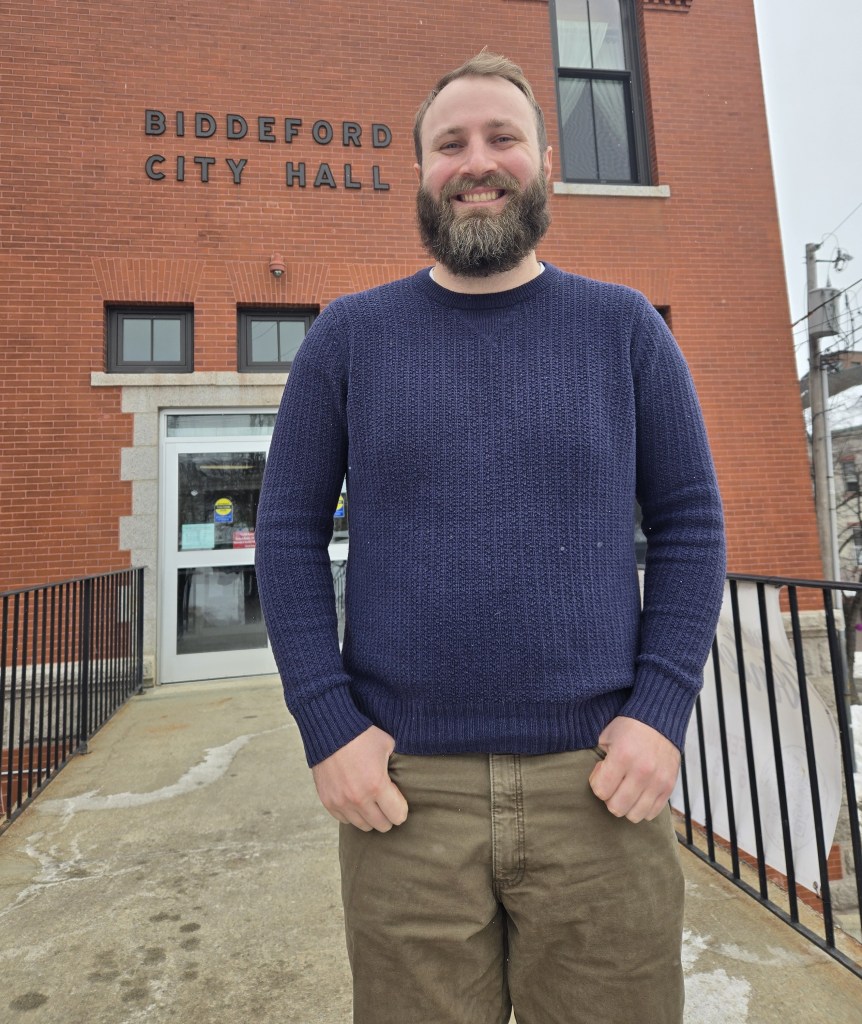
Biddeford’s General Assistance Supervisor — Jake Hammer – provided the council with an annual overview of how the city has been handing its portion of the funds allocated to Maine communities.
According to Hammer, the funds began flowing in 2022 and are scheduled to continue through 2038.
Hammer told the council that at least 70 to 85 percent of the funds must be used for future opioid remediation, including treatment, harm reduction, prevention, and recovery services.
In September 2024, the city council adopted an ordinance to track and report how the city’s share of Opioid Settlement Fund (OSF) is being used.
A little more than a year ago, the city council approved an OSF Strategic Action Plan, Hammer said. That plan includes Strategic Goals and measurement criteria, which are required by the Maine Attorney General’s office, as spelled out by state law.
Hammer told the council that the city now has six recovery residences — total of 95 beds –available for those struggling with opioid addiction. Roughly 83 percent of the city’s allocation last year was used to support those residential facilities.
The city received roughly $378,039 during the last calendar year as its annual allocation of funds.
RELATED: Biddeford non-profit receives $500k grant
Hammer also supplied the council with some demographic information about the 58 people who have requested addiction treatment during the past year.
The bulk of those requesting or applying for services were white men (44), Hammer said. 18 individuals identified as having a physical or mental disability; and 14 applicants were employed when seeking services.
Councilor Dylan Doughty asked if the city could use some of its allocation for further public outreach about treatment options in the city.
“That is absolutely something we can do,” Hammer responded.
Note: To view or download a copy of Hammer’s presentation: OPIOID SETTLEMENT | Biddeford
_____________________
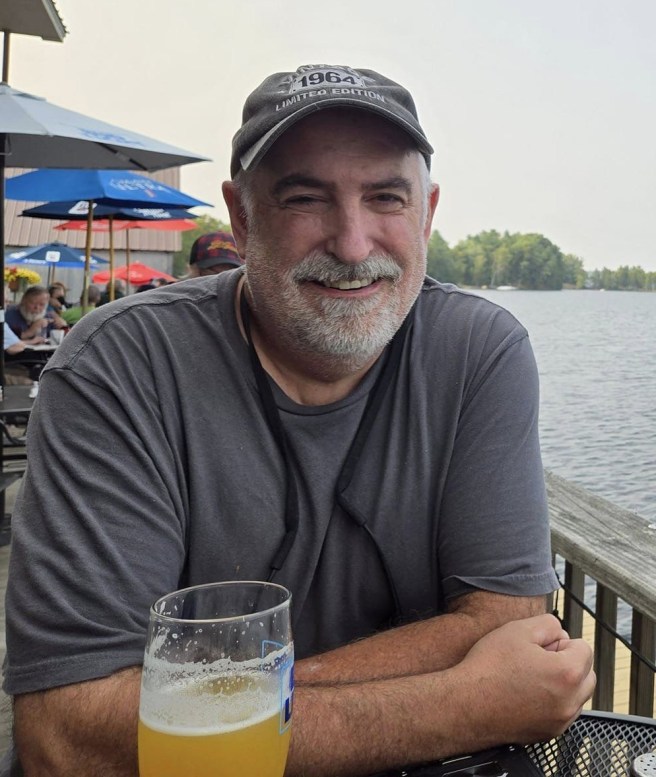
Randy Seaver is the editor and founder of the Biddeford Gazette. He may be reached by email: randy@randyseaver.com
You may view and learn more about our editorial standards and policies here:
Biddeford Gazette | Standards & Policies
c.) 2026 All Rights Reserved; Biddeford Gazette, Inc.
Never miss an update! Subscribe for free today!
 BIDDEFORD GAZETTE